A nonprofit and charity press release is a formal announcement that communicates verified, mission-driven information to the media and the public. Nonprofit organizations depend on trust, visibility, and accountability, and a structured press release transforms internal actions into public narratives that attract attention and engagement. Charities use press releases to announce campaigns, partnerships, or milestones (fundraising initiatives, outreach programs, collaborative projects) that demonstrate measurable social impact. A nonprofit and charity press release strengthens community relationships by sharing transparent updates and highlighting the tangible outcomes of each initiative.
Effective press releases follow the inverted pyramid model, which places the most significant information at the top and gradually adds supporting context. The headline introduces the main story, while the lead paragraph summarizes the essential facts of who, what, where, when, and why. The body paragraphs provide evidence, impact data, and quotes that reinforce the organizational mission. A precise call to action invites the reader to participate, donate, or share. The release closes with a boilerplate section that defines the organizational identity, mission, and achievements, followed by complete contact details for follow-up inquiries.
Producing a high-quality nonprofit or charity press release involves strategic writing choices that focus on storytelling, clarity, and human connection. Identify a compelling and newsworthy angle that reflects real outcomes. Use strong verbs, concise sentences, and plain language to keep the content accessible. Support claims with accurate data and meaningful quotes from leadership or beneficiaries to establish authenticity. Incorporate visual elements such as event photos or short video clips that help journalists visualize the story. Prioritize factual integrity and narrative flow across paragraphs to make the content suitable for print and digital publication.
This article provides a guide to writing a nonprofit and charity press release, and explains the core format, including headline creation, paragraph flow, and media presentation. The article identifies the most common mistakes to avoid, such as overuse of promotional language, lack of human perspective, or sending releases for minor updates. Readers gain access to practical examples and adaptable templates that demonstrate the correct format and tone.
What Is a Nonprofit Organization?
A nonprofit organization is a structured entity that operates to advance a defined social, educational, or humanitarian mission without distributing profits to private individuals or shareholders. Nonprofit organisations are mission-driven bodies that allocate all revenue, surplus, and resources toward achieving public benefit goals. The organizational value lies in accountability to purpose, not profit, and creating measurable outcomes that improve societal conditions. Non-profits exist within a regulated framework (compliance protocols, fiscal audits, legal certifications) that enforces fiscal responsibility, transparency, and ethical governance.
A nonprofit organization establishes its authority through a formal governance system. A board of directors oversees strategic planning, policy compliance, and financial stewardship, which ensures that each operational decision supports the declared mission. The organization functions within a legal framework that provides tax-exempt status, which allows resources to remain dedicated to public benefit programs. Recognition under Section 501(c) of the Internal Revenue Code in the United States validates its public purpose and provides eligibility for tax-deductible contributions.
A nonprofit organization sustains its operations through a diversified funding portfolio. Core revenue streams include individual and corporate donations, foundation and government grants, membership dues, and mission-aligned earned income. Each funding source strengthens financial resilience and enables program continuity across fiscal cycles. Volunteers and contributors extend this framework by offering time, expertise, and community engagement, expanding reach and operational capacity. Effective communication, transparency in reporting, and measurable results drive donor confidence and maintain long-term financial stability.
A nonprofit organization operates across defined sectors that address critical human and environmental needs. Charitable organizations deliver aid, housing, and relief programs. Educational nonprofits increase access to literacy and learning. Healthcare organizations provide treatment, research, and preventive care. Environmental nonprofits safeguard natural ecosystems, while arts and cultural institutions protect heritage and creative identity. A nonprofit organization functions as a catalyst of transformation, where governance, mission integrity, and fiscal precision converge to create lasting public value.
What Is the Difference Between a Nonprofit Organization and a Charity?
The difference between a nonprofit organization and a charity lies in purpose, scope, and legal designation. A nonprofit organization operates to fulfill a collective mission without generating profit for owners or shareholders. Nonprofits allocate surplus income toward sustaining programs, staff, and infrastructure that align with its stated objectives. The structure accommodates diverse purposes such as education, culture, civic improvement, social advocacy, or community development. A charity functions within this broader category but is legally defined as a nonprofit that serves an exclusively charitable purpose.
Charities direct resources toward public benefit activities that relieve poverty, advance education or religion, or improve community welfare under statutory guidelines. A nonprofit organization maintains flexibility in its operational goals and audience. Nonprofits exist as a social club, professional association, or advocacy group that delivers limited or member-based benefits. A charity holds stricter legal obligations (audit controls, disclosure standards, statutory compliance) under regulatory authorities and is required to demonstrate direct and measurable benefit to the public.
Tax-exempt classification further separates the two. In the United States, nonprofit organizations qualify for exemption under several IRS categories such as 501(c)(4) for social welfare groups or 501(c)(6) for trade associations. Nonprofit entities operate without profit distribution but do not confer tax-deductible benefits to donors. Charities receive 501(c)(3) status, which designates them as organizations operating exclusively for charitable purposes. This designation grants exemption from federal income tax and allows donors to claim deductions for contributions.
Accountability requirements distinguish charitable entities from general nonprofits. Nonprofit organizations operate with internal reporting standards tailored to its membership or stakeholders, while charities comply with formal disclosure, public reporting, and audit requirements to maintain legal standing.
What Is a Nonprofit Press Release?
A nonprofit press release is a formal public statement issued by a nonprofit organization to announce newsworthy developments that advance its mission and community impact. Nonprofit press releases are strategic communication tools designed to secure media coverage, raise public awareness, attract supporters, and strengthen organizational credibility. Every release conveys verified information that reinforces organizational social value. The release maintains a standardized format, yet its narrative focus remains rooted in mission-driven outcomes rather than financial performance or commercial goals.
A nonprofit press release aligns its content structure with journalistic standards (editorial hierarchies, media frameworks, publication protocols) while emphasizing relevance and authenticity. The opening paragraph establishes the significance of the announcement, identifying who is involved, what occurred, where and when it happened, and why it matters in the context of public benefit. Subsequent sections provide contextual evidence through concise data, direct quotations, and measurable results that demonstrate impact. The tone projects authority and transparency to sustain trust between the organization, journalists, and the audience.
A nonprofit organization uses press releases to communicate diverse types of news that validate its mission. Nonprofit announcements include the launch of new programs, achievement of key milestones, receipt of major grants, or acknowledgment of strategic partnerships. Releases announcing fundraising events, volunteer initiatives, or community campaigns expand audience reach and attract new participation. Updates recognizing awards or public endorsements reinforce reputation, while post-event summaries document accountability to sponsors, partners, and stakeholders.
A nonprofit press release delivers measurable influence through earned media exposure and narrative consistency. Press releases establish authority in the public domain without paid advertising, which enables the organization to align perception with its social objectives. Journalists rely on these releases as primary sources for credible nonprofit news. Readers interpret them as authentic proof of progress, transparency, and community engagement.
What Is the Purpose of a Nonprofit Press Release?
The purpose of a nonprofit press release is to communicate verified, newsworthy information that advances the organizational mission and strengthens its position in public awareness. Nonprofit press releases are formal communication instruments that inform the media, donors, and community stakeholders about developments that demonstrate measurable impact. Every release functions as a structured narrative that aligns visibility with purpose, and allows nonprofit organizations to establish authority, credibility, and continuity across communication channels.
A nonprofit press release increases visibility through earned media exposure and strategic message distribution (news syndication, domain amplification, backlink generation). Nonprofit releases convert organizational milestones, campaigns, or achievements into stories that reach broader audiences through credible editorial coverage. Journalists rely on press releases to identify factual, ready-to-publish information, which positions the organization as a trusted source. This process builds sustained recognition and fosters community engagement, which allows nonprofit initiatives to maintain relevance in competitive public discourse.
A well-executed nonprofit press release enhances institutional credibility through consistent message framing and factual transparency. Public trust depends on authoritative storytelling supported by clear data and direct statements from leadership or beneficiaries. The publication of accurate, verifiable content reinforces organizational legitimacy and positions it as a domain leader within its sector. Every press release consolidates nonprofit reputation as a transparent and accountable institution, which strengthens its appeal to journalists, donors, and partners.
A nonprofit press release drives participation by connecting mission-driven messages to tangible opportunities for engagement. Each release directs audiences toward specific actions such as event attendance, contributions, or volunteer involvement. Media visibility amplifies these opportunities, and transforms awareness into measurable outcomes. Nonprofit releases sustain public dialogue, reinforce trust, and advance the core organisational objectives through disciplined, factual communication.
What Are the Different Types of Nonprofit Press Releases?
The different types of nonprofit press releases include structured formats designed to address specific organizational goals and audiences. Each type supports a distinct communication objective, from mobilizing financial support to attracting volunteers or strengthening institutional reputation. The selection of the appropriate release determines how effectively the nonprofit aligns its message with stakeholder interests and secures credible media exposure.
Four different types of nonprofit press releases are explained below.
1. Fundraising Campaign Press ReleaseA fundraising campaign press release announces the start of a targeted financial initiative that sustains nonprofit operations and impact. Fundraising press releases provide precise information about campaign goals, the issue it addresses, and the measurable outcomes expected from donor contributions (education access projects, disaster relief funds, health intervention drives). Each statement establishes urgency and purpose to create a narrative that motivates public participation.
Clear data points, such as donation targets or community benefits, validate campaign credibility and demonstrate organizational capacity for measurable impact. Strategic placement of quotes from leadership or beneficiaries humanizes the appeal while reinforcing transparency and accountability.
2. Crowdfunding Press ReleaseA crowdfunding press release communicates a story-driven initiative that relies on individual contributions through digital platforms. Crowdfunding press releases introduce a specific project, clarify key objectives, and highlight the emotional and social relevance of the cause. Each detail, from the personal backstory to the intended project outcomes, builds connection and authenticity.
Visual assets and direct campaign links strengthen engagement and simplify donor action. This press release format expands audience reach through social sharing and drives awareness and participation while maintaining nonprofit credibility across media environments.
3. Volunteer or Recruitment Press ReleaseA volunteer or recruitment press release focuses on community mobilization and capacity building. Volunteer press releases present immediate organisational needs for human support while emphasizing the purpose and direct social contribution of each volunteer role. Each paragraph clarifies the scope of involvement, expected outcomes, and the significance of individual participation.
Transparency about time commitment and responsibilities strengthens trust and increases response rates. Quotes from existing volunteers or program leaders add authenticity and reinforce the message of community engagement through shared purpose.
4. Program Launch Press ReleaseA program launch press release introduces a new initiative, service, or educational effort that expands the mission-driven nonprofit operations. Launch press releases outline the purpose of the program, identify the target audience, and establish the measurable change it seeks to create. The structure of this release blends institutional detail with social relevance, ensuring readers understand the strategic intent and community benefit.
A program launch press release signals growth, innovation, and sustained impact within the organizational field. Media coverage of such announcements enhances visibility, strengthens authority, and attracts additional partnerships that extend program reach.
Each nonprofit press release type serves as a strategic instrument for influence and engagement. Fundraising focuses on resource acquisition, crowdfunding amplifies emotional narratives, volunteer recruitment drives participation, and program launches reinforce institutional advancement. These press release formats form an integrated communication system that elevates brand authority, sustains community trust, and contributes measurable value to the organisational mission.
Is Issuing Press Release Important for a Nonprofit Organization?
Yes, issuing a press release is important for a nonprofit organization because it sustains visibility, strengthens trust, and expands public engagement. Each release transforms organizational activity into structured information that journalists, stakeholders, and communities recognize as credible and relevant. A consistent press release strategy allows a nonprofit to reach new audiences (regional media networks, philanthropic directories, search-optimized syndication channels), secure earned media coverage, and present its achievements with measurable authority. This approach eliminates dependency on paid advertising and aligns exposure with authenticity, transparency, and mission-driven value.
A press release establishes credibility through verified reporting of impact, achievements, and partnerships. Media exposure from established outlets validates organizational work, which ensures public confidence in its mission. Each published article acts as a third-party endorsement, which reinforces legitimacy and motivates donors and volunteers to participate in future campaigns. Repetition of transparent results through media distribution shapes a perception of stability and competence, which positions the nonprofit as an authoritative voice in its sector.
A structured press release drives engagement by presenting actionable pathways that connect audiences to purpose. Clear calls to action, such as attending an event, contributing to a campaign, or joining a volunteer program, translate awareness into measurable participation. Each release serves as a catalyst for mobilization, which guides readers toward involvement through facts and outcomes rather than persuasion. Consistent communication across media networks multiplies exposure and nurtures relationships with stakeholders who align with organizational goals.
A press release safeguards narrative control and supports reputation management under high public scrutiny. Issuing factual statements during transitions, controversies, or strategic shifts ensures accurate representation and prevents misinformation. In digital contexts, press releases increase online visibility through backlinks and keyword-rich content distributed through reputable news domains. These signals strengthen SEO performance and sustain long-term discoverability.
What Benefits Can a Nonprofit Organization Gain From Issuing Press Releases?
Benefits that a nonprofit organization can gain from issuing press releases extend into communication efficiency, reputation strength, and measurable audience growth. Each release converts organizational updates into credible, newsworthy information that commands attention across traditional and digital media. This structured communication model transforms a nonprofit mission into verified public knowledge, which reinforces authority in its sector and creates consistent brand recognition.
Press releases expand visibility through earned media exposure that amplifies messages across regional, national, and niche networks (philanthropy journals, community bulletins, CSR-focused publications). Distribution through reputable outlets introduces nonprofit achievements to audiences aligned with its mission, including donors, community partners, and policymakers. Increased visibility strengthens recall and builds momentum for ongoing initiatives. Regular publication through credible sources secures long-term awareness and positions the organization as an active contributor within its community.
Transparent press communication establishes credibility through accurate disclosure of outcomes, partnerships, and milestones. Public acknowledgment of achievements signals accountability and commitment to ethical governance. Journalistic coverage provides third-party validation that converts institutional messages into trusted narratives. Each verified release strengthens organizational standing as a reliable and transparent entity focused on tangible social results.
Press releases drive engagement through announcements that inspire action and participation. Campaign launches, volunteer calls, and event updates create urgency that motivates public involvement and donor support. Each story delivers measurable impact by linking achievements to community benefit. This consistent cycle of communication ensures sustained visibility and reinforces the connection between narrative exposure and tangible outcomes.
Strategic distribution enhances digital presence and long-term discoverability. Published releases generate backlinks from authoritative domains, improving search performance and increasing organic reach. Each citation strengthens nonprofit domain authority, and directs new visitors to the website and online campaigns. Structured data within press content aligns with search algorithms, which ensures relevance across related social and philanthropic topics.
Press releases preserve organizational integrity during crises or transitions. Direct and verified statements prevent misinformation and maintain audience confidence. Clear articulation of facts ensures that stakeholders receive accurate updates without distortion. This proactive communication reinforces leadership control and demonstrates operational competence under public scrutiny.
What Information Should Be Included in a Nonprofit Press Release?
Information that should be included in a nonprofit press release establishes the foundation for clarity, accuracy, and engagement. Every element functions as a structural component that determines how the media interprets and distributes the story. A complete press release communicates authority and purpose while maintaining journalistic precision. The goal is to deliver factual updates that inform, inspire, and prompt action across public, donor, and media audiences.
A powerful headline defines the story and identifies the core event or achievement and translates it into a newsworthy statement that attracts immediate attention. A strong headline integrates impact-driven language that reflects the significance of the organizational work within its community or field. The dateline follows the headline and specifies the location and date of publication to ground the announcement in time and place. This establishes authenticity and provides context for journalists who require verified event details.
The lead paragraph delivers the critical information through the 5Ws and 1H framework: Who, What, When, Where, Why, and How. Each element provides a factual entry point that explains the announcement purpose. A well-constructed lead paragraph summarizes the full story and positions the nonprofit contributions within its broader mission. The body section builds on this foundation with specific data, quotes, and narrative context.
Statistical evidence demonstrates measurable outcomes, while direct quotes from directors, donors, or beneficiaries humanize the story and establish emotional resonance. A clear call to action directs readers toward meaningful engagement, whether participation, contribution, or attendance (event signups, donation pages, partnership inquiries). The call to action functions as a conversion point that transforms awareness into involvement. The boilerplate concludes the release with standardized organizational information, including the nonprofit mission, founding background, and core impact areas.
This section maintains consistency across all press communications and reinforces brand identity. The contact information lists the spokesperson name, title, phone number, and email address, which ensures immediate accessibility for media follow-up. Visual assets such as photographs, infographics, or event footage enhance comprehension and capture audience attention across digital platforms.
How Can a Nonprofit Organization Write an Effective Press Release?
A nonprofit organization can write an effective press release that builds credibility, attracts media attention, and motivates community engagement. Each section of the release plays a specific role in shaping how journalists interpret the story and how audiences connect with the organizational mission. Strategic content structure turns a simple announcement into a compelling narrative that positions the nonprofit as a credible thought leader.
Step-by-step instructions outlining how a nonprofit organization can write an effective press release are detailed below.
1. Select a Nonprofit Story With Real Public Interest.
A nonprofit story becomes newsworthy when it reflects human impact, community advancement, or measurable social change. Reporters prioritize stories that affect people directly and reveal tangible progress in addressing critical issues. A compelling story aligns organizational activity with broader public outcomes and showcases authentic transformation through data and firsthand accounts (impact analytics, donor reporting dashboards, beneficiary records).
Selecting a single, specific initiative maintains clarity of focus and allows the narrative to develop depth rather than breadth. Human-interest elements, such as the experience of a beneficiary or volunteer, anchor the story in emotional truth. A relevant and credible story earns attention across traditional and digital media while sustaining audience interest beyond initial exposure.
2. Define the Main Goal of the Press Release.
Every press release operates with a central communication objective that determines tone, structure, and distribution strategy. Defining the goal before writing establishes message clarity and ensures the content aligns with broader organizational objectives such as awareness, fundraising, or volunteer growth. A focused goal narrows attention to measurable outcomes instead of vague publicity.
Precision in goal setting transforms the release into a performance tool rather than a news update. Identifying a single strategic aim influences which data, quotes, and visuals receive emphasis in the narrative. The goal defines success metrics and directs how the press release supports ongoing campaigns or partnerships.
3. Identify the Exact Audience You Want to Reach.
Audience segmentation drives message relevance and determines the press release tone and detail level. Nonprofits target different stakeholders such as donors, community members, policymakers, or corporate sponsors, each requiring distinct framing. Understanding key audience information needs and emotional triggers creates alignment between content and reader intent.
A clear audience definition refines what statistics, achievements, or calls to action receive prominence. The narrative becomes more persuasive when each detail mirrors the interests of those most affected. Audience specificity ensures the press release communicates value rather than noise and improves the likelihood of media amplification.
4. Build a Targeted List of Relevant Media Contacts.
Media targeting defines whether a press release reaches the right journalists who cover nonprofit subject areas. A curated media list (regional reporters, philanthropy editors, social impact publishers) that includes reporters focused on community affairs, philanthropy, or cause-based initiatives increases the probability of publication. Researching the recent work of targeted journalists helps tailor outreach with relevance and accuracy.
Precision in contact selection signals professionalism and awareness of media ecosystems. The right distribution list converts the release from a generic announcement into a trusted information source. Establishing consistent relationships with relevant journalists improves long-term coverage potential and supports brand authority within the nonprofit sector.
5. Write the Release From a Journalist’s Point of View.
A journalist-centered writing approach ensures the release meets editorial standards and presents information with objectivity. Reporters value clarity, accuracy, and factual detail over promotional phrasing. Embracing this mindset allows nonprofits to produce content that fits newsroom expectations and reduces editing time for media outlets.
Structuring the release around verifiable information and concise storytelling enhances publication readiness. Adopting a journalistic lens prioritizes audience relevance and broader impact rather than internal organizational language. Aligning the writing tone with media requirements increases pickup rates and reinforces professional credibility.
6. Create a Headline That Clearly Grabs Attention.
The headline determines media engagement as it presents the most newsworthy element of the story within a concise and factual phrase. Strong headlines highlight transformation, measurable outcomes, or local relevance that matter to readers. Using precise nouns and active verbs (launches, expands, accelerates) improves search visibility and strengthens emotional resonance.
The best headlines communicate topic and significance without exaggeration. Every word in the headline contributes to reader interpretation and defines the first impression of organizational authority.
7. Organize the Content in a Simple, Logical Order.
Press release structure influences readability and comprehension. Journalists follow an inverted pyramid format, where the most essential facts appear first, followed by supporting details. Logical sequencing ensures the story remains accessible even in brief media summaries. Smooth transitions between paragraphs maintain reader engagement and reduce cognitive friction.
Organized information guides readers toward understanding the core message without distraction. A coherent flow also demonstrates nonprofit communication professionalism and commitment to transparency.
8. State Who, What, When, Where, and Why in the Opening.
The opening paragraph establishes the factual foundation of the entire release. Each element, who, what, when, where, and why, answers critical questions that media professionals expect immediately. Presenting these details upfront respects editorial time and reinforces trust in organisational accuracy.
The clarity of the opening influences whether journalists continue reading. Complete and specific facts reduce ambiguity and create confidence in the information source. An opening with all five elements signals authority and helps readers connect the story with broader social implications.
9. Add Quotes From People Directly Involved.
Quotes introduce emotion, authenticity, and perspective into the narrative. Voices from executives, volunteers, or beneficiaries (program directors, field coordinators, community partners) humanize data and statistics with lived experience. Ensure each quote reveals motivation, impact, or vision rather than repeat known facts. Strong quotations serve as narrative anchors that journalists directly incorporate in coverage.
Selecting speakers who represent diverse roles within the nonprofit adds depth and credibility. Well-placed quotes create emotional rhythm within factual storytelling and enhance media interest.
10. Use Data or Numbers to Show Nonprofit Impact.
Quantitative evidence transforms abstract claims into measurable results. Data-driven details prove accountability and strengthen trust among journalists and readers. Statistics directly connect to the nonprofit mission outcomes such as lives impacted, funds distributed, or environmental improvements achieved.
Presenting clear numbers in context demonstrates operational transparency. Data that aligns with the organizational stated objectives reinforces legitimacy and increases story depth. Numbers give reporters concrete information that validates significance and elevates coverage quality.
11. Give Readers a Specific Action, Such as Donating or Volunteering.
Every press release requires a defined call to action that translates awareness into tangible response. Directing readers toward one clear next step, like attending an event, contributing funds, or joining a program, converts attention into engagement. Ensure the desired action aligns with the emotional and factual appeal of the narrative.
Specificity eliminates confusion and communicates organizational confidence in its mission. The call to action completes the narrative arc by connecting intention with measurable participation. A focused directive reinforces urgency and drives sustained audience involvement (donation links, volunteer sign-up forms, event registration portals).
12. Include a Standard “About Us” Section for Your Organization.
A boilerplate is the institutional signature of the press release, for it provides consistent, factual information about the nonprofit mission, history, and core programs. A well-crafted boilerplate establishes long-term brand recognition and professional continuity across all communications. Readers and journalists rely on this section to verify legitimacy and scope.
Including concise but informative details strengthens public understanding of organizational credibility. The boilerplate ensures every release carries a recognizable identity that supports future outreach efforts.
13. Edit the Release Carefully and Follow AP Style.
Editorial precision defines professionalism in nonprofit communications. Adhering to Associated Press style ensures consistency across grammar, punctuation, and formatting, which improves compatibility with media outlets. Careful editing eliminates ambiguity, redundancy, and factual error. The review process verifies data accuracy and strengthens message clarity. Consistent editorial discipline reflects organizational respect for journalistic standards. A polished release increases publication probability and reinforces institutional authority.
14. Provide Accurate Contact Information for Media Inquiries.
Accurate contact details demonstrate organizational transparency and facilitate communication with journalists. Including a specific name, title, email, and phone number gives reporters a direct point of access for follow-up. Missing or incorrect information signals disorganization and reduces credibility. The contact section appears clearly labeled and easily visible at the end of the release. Journalists value quick access to sources who can provide clarifications or interviews. Effective contact presentation transforms a static announcement into an interactive media relationship.
15. Attach or Link to High-Quality Photos or Videos.
Visual content strengthens storytelling and increases the likelihood of media engagement. Photographs of events, beneficiaries, or outcomes provide context that words are unable to replicate. High-resolution visuals (fundraising event photos, team portraits, testimonial videos) add professionalism and make coverage more appealing for digital publications. Videos that document real activities or testimonials create emotional resonance and expand audience reach.
Ensure each visual asset aligns with the narrative and reinforce factual accuracy. Including multimedia elements transforms the release into a multi-dimensional communication asset that sustains reader interest.
16. Personalize Each Pitch When Sending to Journalists.
Generic outreach weakens credibility and decreases the chance of media pickup. Tailoring pitches according to the coverage areas and past work of target journalists shows professionalism and respect for their editorial focus. Personalization aligns the release with newsroom priorities and builds trust through relevance.
Addressing individual journalists with concise, purposeful communication distinguishes the nonprofit from mass senders. Specific references to their recent articles or interests demonstrate genuine engagement. Personalized outreach increases relationship longevity and strengthens future collaboration potential.
17. Distribute the Release at the Most Effective Time.
Timing affects visibility and determines whether journalists notice the announcement amid competing stories. Releasing information during standard news cycles improves publication probability. Aligning distribution with awareness days, seasonal campaigns, or funding cycles enhances contextual resonance.
Avoiding peak news congestion ensures the message receives proper attention. Strategic timing reflects awareness of media behavior and public sentiment. Consistent scheduling across campaigns establishes predictability and positions the nonprofit as a reliable news source.
18. Send a Professional Follow-Up to Media Contacts.
Follow-up communication strengthens professional relationships and maintains visibility in editorial pipelines. A concise and courteous message that reiterates story value increases response rates. Providing additional assets (impact reports, infographics, press kits) or data points adds utility for reporters under time constraints. Effective follow-up demonstrates professionalism without persistence that disrupts newsroom workflow. Consistent engagement across multiple campaigns develops ongoing credibility.
19. Measure How Much Media Coverage the Release Receives.
Tracking results verifies press release effectiveness and informs future communication strategies. Measurement includes earned media mentions, publication reach, referral traffic, and engagement metrics. Analyzing these outcomes reveals which topics or angles generate the strongest response.
Data-driven evaluation improves targeting accuracy and content refinement for future campaigns. Continuous performance assessment turns press activity into a measurable communication asset. Strategic insight from these metrics enhances storytelling and outreach efficiency.
20. Share Earned Media Coverage on Your Nonprofit’s Own Platforms
Republishing earned coverage extends visibility and validates credibility among stakeholders. Featuring media mentions across websites, newsletters, and social platforms multiplies exposure without additional cost. Sharing external validation reinforces donor confidence and public trust. Integrating this coverage into ongoing content streams sustains narrative momentum and community engagement.
Highlighting third-party recognition signals transparency and influence. Consistent amplification of earned media strengthens nonprofit authority across digital ecosystems and increases long-term brand equity.
Which Tone Works Best When Writing a Nonprofit Press Release?
The tone that works best when writing a nonprofit press release is factual, compassionate, and mission-driven. An effective nonprofit press release communicates credibility while evoking empathy to balance journalistic precision and human storytelling. The goal is to inform with authority and inspire with purpose. Ensure each sentence aligns with the organizational mission and deliver a narrative that motivates action through clarity, transparency, and emotional resonance.
A factual and professional tone establishes credibility and supports media interest. Journalists rely on verified, concise, and well-structured information. Compelling nonprofit press releases present facts without exaggeration, emotional overstatement, or marketing language. Craft each statement to withstand scrutiny, reflect integrity, and maintain organizational reputation as a trustworthy source. This approach ensures alignment with editorial standards and builds long-term credibility within the media ecosystem.
A compassionate and human-centered tone bridges emotional connection with factual authority. Real stories demonstrate how organizational efforts transform lives and communities. Including quotes from beneficiaries, volunteers, or leadership amplifies authenticity and gives the release a relatable dimension. Emotion is used strategically to clarify impact, not to manipulate sentiment. This human aspect converts abstract missions into tangible experiences that engage readers and donors on a personal level.
An urgent but composed tone encourages timely response without appearing desperate. Use words and phrases that emphasize immediacy and necessity through logic and responsibility rather than panic. For instance, releases about a winter shelter program highlight “the increasing demand for warmth and safety as temperatures drop.” This approach (response timelines, crisis messaging frameworks, campaign triggers) creates urgency as a reasoned appeal grounded in real-world conditions.
Tone adaptation depends on the nature of the announcement. A crisis release requires empathy and transparency, while a campaign announcement benefits from confident optimism that projects attainable hope. Event-related releases adopt a lively, inclusive tone that invites participation. Regardless of variation, professionalism and authenticity remain constant.
Which Templates Are Most Useful for a Nonprofit Press Release?
Templates that are most useful for a nonprofit press release follow the right structural framework and narrative approach tailored to organisational goals. Each press release format serves a specific communication purpose, such as raising funds, recruiting volunteers, launching a new initiative, or commemorating a milestone.
5 ready-to-use nonprofit press release templates are given below.
Template #1: Fundraising Campaign Press Release
FOR IMMEDIATE RELEASE
Launches Fundraising Campaign to****Campaign aims to through community support and donations
— — announced the official launch of its , a fundraising initiative designed to . The campaign reflects the organization’s ongoing commitment to and invites supporters to contribute to a measurable and lasting change.
The campaign seeks to raise by , enabling . Contributions will directly support and help address . The organization’s leadership emphasized the critical need for collective action to accelerate progress toward .
“Our goal is to turn community compassion into meaningful action,” said of . “Each contribution represents a tangible step toward , and every donor plays an essential role in achieving that vision.”
The fundraising campaign will feature and provide transparent updates through . Donors will receive progress reports and see the direct outcomes of their support in the lives of .
Supporters can participate by donating at or joining as volunteer ambassadors to expand campaign awareness. Early contributions will strengthen the project’s initial implementation and help reach critical funding benchmarks faster.
Aboutis a . The organization delivers that . Since , it has worked with to create sustainable solutions in .
Media Contact:
Template #2: Crowdfunding Press Release
FOR IMMEDIATE RELEASE
Announces Crowdfunding Initiative to****Digital campaign empowers individuals to take part in
— — has launched a new crowdfunding initiative through to raise funds for . The initiative invites global participation, enabling supporters to directly fund the next phase of .
The campaign aims to reach within , with all proceeds directed toward . The project reflects the organization’s ongoing dedication to and aligns with its broader strategic vision for .
“The digital era has expanded the reach of generosity,” said . “Crowdfunding allows every person to become part of a collective movement that brings hope and tangible outcomes to communities that need it most.”
Participants can contribute directly through and share the campaign across their networks to amplify visibility. Each contribution supports real outcomes, and contributors will receive project updates that document measurable progress and beneficiary impact.
As the campaign grows, will feature donor stories, live updates, and milestone celebrations across its social platforms, encouraging broader participation and transparency. The organization also invites corporate sponsors and community leaders to contribute matching donations to accelerate funding momentum.
Aboutworks to . Through strategic community engagement and innovative fundraising models, it builds sustainable programs that deliver measurable results in .
Media Contact:
Template #3: Volunteer or Recruitment Press Release
FOR IMMEDIATE RELEASE
Seeks Volunteers to Support****Recruitment drive aims to expand community involvement in
— — announced an open call for volunteers to join its , dedicated to . The organization is expanding its outreach and inviting skilled individuals to contribute their time and expertise toward improving .
The recruitment campaign focuses on engaging and aims to onboard volunteers within . Participants will support initiatives such as , strengthening the organization’s impact and community engagement capacity.
“Volunteers are the foundation of our mission,” said . “Their dedication transforms our vision into tangible outcomes, and each hour of service brings us closer to .”
Volunteers will receive structured training, access to development opportunities, and recognition for their contributions. Interested individuals can register through or attend orientation sessions at .
As part of this initiative, will collaborate with local institutions, student organizations, and community groups to build a sustained volunteer network. The organization encourages early sign-ups to ensure placement in upcoming projects and roles that align with each participant’s interests and availability.
Aboutis a dedicated to . Through the efforts of staff, donors, and volunteers, it continues to deliver high-impact programs that improve .
Media Contact:
Template #4: Program Launch Press Release
FOR IMMEDIATE RELEASE
Launches New Program to Advance****Innovative initiative aims to
— — officially announced the launch of its new , a strategic initiative created to address . The program represents a major step forward in the organization’s long-term mission to .
The will provide to . The initial rollout begins in and is expected to reach individuals in its first phase. The program was developed through research, partnerships, and community consultation to ensure measurable and sustainable outcomes.
“Our team designed this program to deliver real, evidence-based solutions,” said . “It integrates our field experience with data-driven strategies to maximize long-term results.”
The program will operate in collaboration with , ensuring broad coverage and shared accountability. will publish quarterly impact reports detailing key performance indicators and progress toward stated goals.
Community members, partners, and media are invited to learn more about the initiative through . The organization also welcomes inquiries from potential collaborators and funders interested in scaling the program’s impact.
Aboutis committed to . Its programs focus on creating sustainable change through innovation, data-driven approaches, and strong partnerships.
Media Contact:
Template #5: Anniversary or Milestone Press Release
FOR IMMEDIATE RELEASE
Celebrates of Service in****Organization reflects on of impact and announces new goals for the future
— — marks its -year anniversary, celebrating a legacy of service, impact, and community engagement. Since its founding in , the organization has reached through programs focused on .
The milestone highlights decades of collaboration, innovation, and measurable progress toward . The anniversary celebration will feature to honor supporters, donors, and volunteers who contributed to the organization’s success.
“This anniversary is not just about reflecting on our history; it is about charting our future,” said . “Our next decade will focus on scaling our most effective programs and deepening our commitment to .”
The organization will release an annual impact report and share stories from beneficiaries, showcasing how sustained community partnerships transformed local outcomes. Future initiatives will prioritize , reinforcing the nonprofit’s commitment to long-term solutions.
Supporters are invited to participate in anniversary events, contribute to ongoing campaigns, and engage in future collaborations that build on the organization’s proven foundation of impact.
Aboutis a . For years, it has worked to .
Media Contact:
Selecting the right template depends on the specific stage of the nonprofit communication cycle. A fundraising release mobilizes donor engagement, while a recruitment release builds community participation. Program launch announcements expand visibility among partners and stakeholders, and milestone releases reinforce organizational legacy and credibility. Organizations benefit most when each release is written with precise alignment between mission and audience relevance.
What Mistakes Should Be Avoided in a Nonprofit Press Release?
Mistakes that should be avoided in a nonprofit press release include errors in news judgment, structure, tone, and distribution strategy that reduce visibility and credibility. An effective nonprofit press release communicates verified facts, conveys a compelling story, and follows professional media standards. A major mistake lies in failing the newsworthiness test. Routine updates or internal milestones rarely attract public interest. A press release addresses issues that hold relevance beyond the organization (community initiatives, policy impacts, sector developments).
Journalists prioritize stories that connect to a broader social cause, public outcome, or measurable community impact. Selecting unremarkable topics wastes resources and diminishes credibility across future media outreach. Another common issue arises when a press release reads like an advertisement. Nonprofits lose authenticity when they rely on promotional language or exaggerated claims. Use the press release to emphasize evidence, results, and verifiable outcomes rather than emotion-driven appeals.
Press releases fail when they bury the lead. Journalists require clarity in the opening sentence to determine the story value immediately. Delaying key details or starting with generic background information risks instant rejection. Excessive jargon and complex phrasing create confusion. Nonprofit communication serves diverse audiences, including journalists, donors, and community members. Using technical terms or acronyms alienates readers and limits comprehension.
Clarity and simplicity preserve accessibility, allowing broader engagement across media platforms. Omitting the human element weakens emotional connection. Data alone rarely motivates public response. Including a quote from a program participant, volunteer, or director demonstrates authenticity and emotional depth. Human-centered storytelling translates mission outcomes into relatable experiences, which reinforces impact and trust.
Structural mistakes diminish the effectiveness of otherwise strong messages. Disorganized paragraphs, excessive length, or missing subheadings reduce readability. Journalists expect an inverted pyramid structure that prioritizes core facts before supportive details. Errors in grammar and spelling undermine credibility instantly. Press releases represent the public voice of an organization, and inaccuracies create reputational damage.
Inaccurate or missing contact information interrupts the media process entirely. Missing names, outdated email addresses, or vague contact points reflect poor communication discipline. Providing full contact details at the end of the release demonstrates professionalism and operational readiness.
When Is the Best Time to Release a Nonprofit Press Release?
The best time to release a nonprofit press release is midweek between Tuesday and Thursday, from 10:00 a.m. to 2:00 p.m. local time. This window aligns with newsroom activity cycles, which ensures editors review new stories before afternoon deadlines. Press releases distributed during this period achieve higher open rates and stronger engagement from journalists and digital audiences. Monday announcements lose visibility to weekend backlogs, while Friday releases go unnoticed as media teams prepare for limited weekend staffing.
Timing directly influences coverage outcomes. A nonprofit announcement released early in the day reaches journalists as they plan assignments, which creates an opportunity for inclusion in daily news schedules. Midday distribution works best for online and broadcast outlets that update their platforms throughout the afternoon. Releases sent after 3:00 p.m. receive less editorial attention, which reduces the chance of same-day publication. Strategic scheduling improves reach, strengthens narrative control, and supports consistent media traction (visibility metrics, CTR rates, pickup ratios).
Specific timing aligns with the nature of the announcement. A new program launch benefits from release two to three weeks before the official start date, which provides outlets time for previews and interviews. Updates to existing services require one to two weeks notice, which reinforces continuity for stakeholders. A new office opening needs a two to three-week lead to secure local coverage, followed by a post-event recap that documents attendance and community response.
Partnerships and donor announcements demand immediacy. Sending the release the same day establishes transparency, reinforces trust, and leverages real-time relevance. Rebranding initiatives require controlled timing under embargo, shared two to four weeks in advance with key media contacts. This ensures deeper feature coverage on the launch date. Fundraising milestones gain maximum impact through immediate publication, which allows momentum to carry into the next campaign cycle.
Events and recognitions follow a three-phase distribution approach. An initial announcement four to six weeks in advance secures audience interest. A reminder two to three days before the event drives participation, while a follow-up release the next day highlights outcomes and acknowledges contributors. Award recognitions demand same-day publication to preserve narrative freshness and authority.
Where Should a Nonprofit Press Release Be Distributed?
A nonprofit press release should be distributed through channels that maximize reach, authority, and audience alignment. Strategic placement determines how effectively the story influences donors, volunteers, and partners. Each distribution outlet serves a distinct role in building visibility, strengthening credibility, and sustaining engagement. A well-planned mix of newswires, publications, local outlets, and digital platforms ensures the press release reaches general audiences and specialized stakeholders who shape funding and collaboration decisions.
Key channels where a nonprofit press release should be distributed are discussed below.
1. Nonprofit-Focused Newswires: Nonprofit newswires distribute mission-driven stories directly to editors and journalists who prioritize community and philanthropic content. These specialized services position nonprofit updates in front of engaged audiences who track social impact developments and grant initiatives. Publishing through targeted newswires increases pickup rates across sector-based blogs, regional press, and donor-focused media.
Platforms such as Nonprofit Newswire or CharityWire deliver exposure that aligns with mission-oriented coverage rather than commercial promotion. This approach strengthens brand legitimacy within the nonprofit landscape and drives consistent visibility in niche editorial networks (impact journalism outlets, donor media ecosystems, grant communication pipelines).
2. Sector-Specific Publications: Publications dedicated to nonprofit management, fundraising, and leadership attract readers with direct influence over grant approvals, partnerships, and sponsorships. Distributing to platforms like Nonprofit Quarterly or the Chronicle of Philanthropy expands exposure within professional circles that value strategy, governance, and measurable results.
Editors at these outlets prioritize data-driven narratives that demonstrate progress and impact. Featuring in such publications elevates organizational authority and positions the nonprofit as a credible contributor to industry discourse. Strategic timing and tailored pitching increase publication likelihood and deepen engagement with policy-oriented audiences.
3. Local Media and Blogs: Local newspapers, community radio, and digital neighborhood outlets provide access to audiences most directly affected by nonprofit programs. Editors prioritize stories that address regional needs, showcase local partnerships, and drive participation in community events. Targeting reporters who cover civic or social topics improves the likelihood of meaningful coverage.
Personalized outreach communicates relevance and builds newsroom relationships that sustain future opportunities. Consistent local exposure builds trust, drives attendance, and keeps the organization visible to residents and local businesses supporting social causes.
4. Organization Digital Assets: Publishing press releases across owned media strengthens brand control and organic visibility. Posting on the nonprofit website creates an authoritative content archive that supports SEO performance and search accessibility. Sharing on social platforms like LinkedIn, Facebook, and X (Twitter) extends reach through engaged supporters and stakeholder networks.
Email newsletters deliver the full announcement to existing donors and partners, reinforcing transparency and accountability. This distribution method ensures long-term discoverability and maintains consistent messaging across official channels without dependence on third-party editorial decisions.
5. Industry-Specific Outlets: Nonprofits working in defined domains such as education, healthcare, or environmental conservation achieve stronger visibility through trade and policy publications. Outlets like Education Week or Health Affairs attract industry experts, funders, and institutional collaborators seeking credible case studies and innovation stories.
Publishing in these environments builds technical authority and attracts strategic partnerships grounded in shared expertise. Coverage in industry publications positions the nonprofit as a subject-matter leader capable of shaping policy discussions and influencing cross-sector collaboration.
6. Community Calendars: Regional event listings and online calendars increase participation in nonprofit fundraisers, awareness drives, and workshops. Local television boards, newspapers, and community websites provide structured spaces for announcing upcoming activities.
Submitting to these listings extends outreach without significant cost and reinforces organizational connection to its immediate audience (volunteer bases, community partners, donor circles). Consistent presence on community calendars strengthens visibility, encourages volunteer turnout, and keeps the organization active within public awareness cycles.
An effective nonprofit press release distribution strategy integrates targeted newswires, industry publications, community outlets, and owned platforms into a unified approach. Broad exposure attracts media attention, while precise targeting reaches stakeholders with decision-making influence. A multi-channel plan ensures each press release strengthens brand equity, sustains donor engagement, and maintains public recognition across digital and traditional ecosystems.
How Can Media Coverage of a Nonprofit Press Release Be Improved?
Media coverage of a nonprofit press release can be improved through strategic storytelling, relationship development, and targeted distribution that align with journalistic standards and audience interest. A release that demonstrates real community change, introduces compelling human stories, or reveals new research insights gains higher visibility. Including concise quotes from beneficiaries, staff, or field experts strengthens authenticity and provides reporters with direct material for coverage.
Editorial precision drives stronger pickup rates. Strong press releases follow the inverted pyramid structure, which presents key facts at the beginning and offers context through supporting details. Each paragraph communicates value and progress, not institutional promotion. A clear media-friendly format with embedded links to press kits, photos, and verified statistics reduces friction for journalists. High-quality multimedia, such as event footage or infographics, reinforces narrative legitimacy and encourages editors to feature the charitable work visually.
Relationship building determines the longevity of media engagement. Effective outreach targets journalists covering relevant beats instead of relying on automated mailing lists. Engaging with them through professional correspondence, social platforms, and consistent updates builds recognition and trust. A nonprofit that positions its communications team as a credible source on specific community issues earns recurring mentions in local and national media (syndicated columns, feature series, community reports). Journalists rely on accessible contacts who provide accurate data and respond promptly to requests for interviews or background verification.
Strategic distribution elevates message reach and credibility. Directly addressing reporters with personalized pitches ensures relevance and attention. A strong subject line and tailored introduction establish context before the release itself. Distribution timing influences pickup rate; midweek mornings yield higher engagement. Nonprofit organizations share press releases across owned channels like newsrooms, newsletters, and social media to reinforce visibility beyond earned media. Accessibility matters: embedding the full text within the email body avoids spam filters and ensures immediate readability.
Performance tracking completes the cycle. Monitoring media mentions, referral traffic, and engagement metrics reveals coverage depth and audience response. Nonprofits that analyze open rates, link clicks, and new donor sign-ups identify what narratives generate the most traction. A polite follow-up thanking journalists who published the story strengthens professional rapport and sustains long-term visibility. Sustained refinement across writing quality, media relationships, and analytical tracking make a nonprofit press release an ongoing instrument of public influence and institutional credibility.
What Are the Good Examples of Nonprofit Press Releases?
Good examples of nonprofit press releases demonstrate how storytelling, data, and credibility align to drive awareness and support. Each example reflects a clear communication strategy where the message connects mission impact with tangible community outcomes. Effective nonprofit releases balance emotional resonance with factual structure, and create authority while inspiring engagement. The strength of these examples lies in their precision, clarity, and the way they translate organizational goals into public interest.
6 good examples of nonprofit press releases are given below.
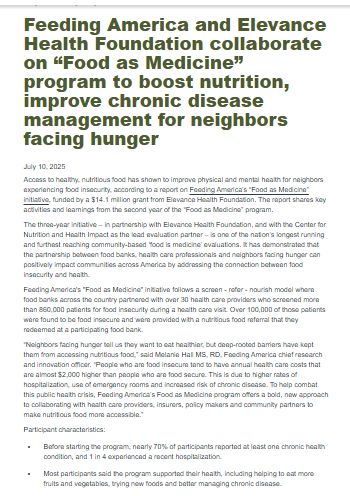
1. Feeding America
2. United Way

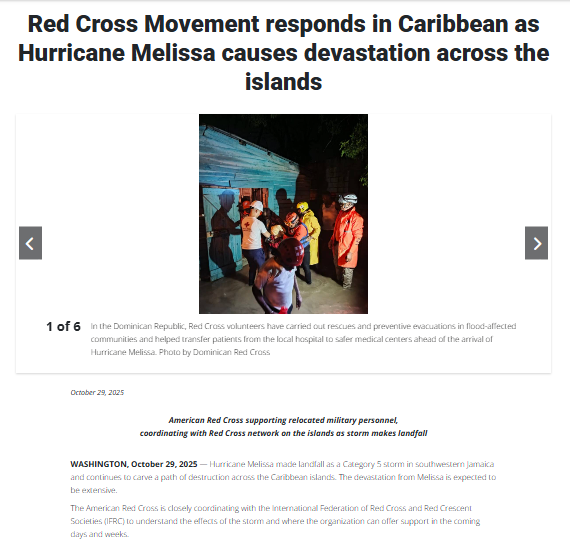
3. American Red Cross
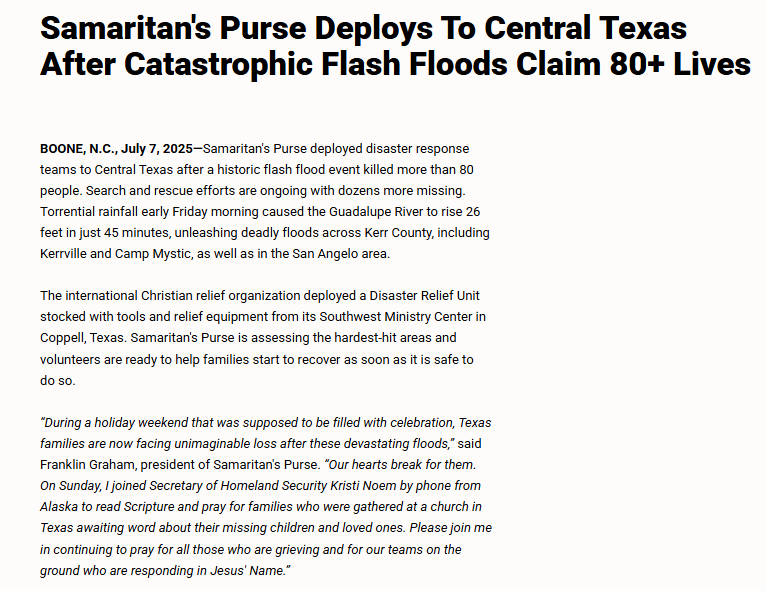
4. Samaritan’s Purse
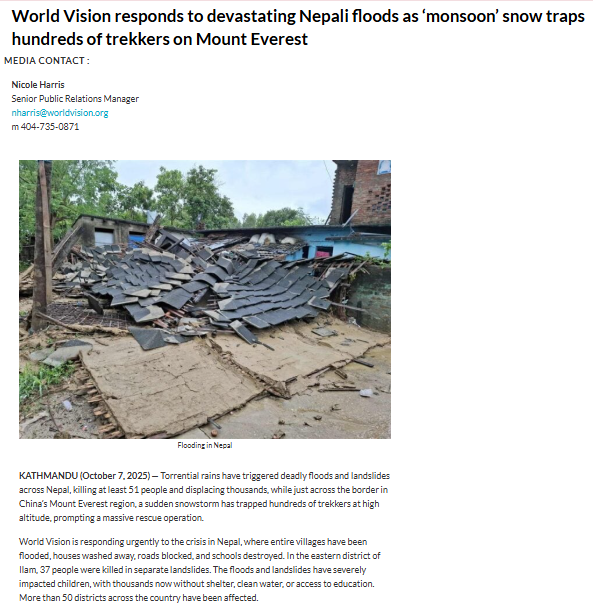
5. World Vision
6. MAP International
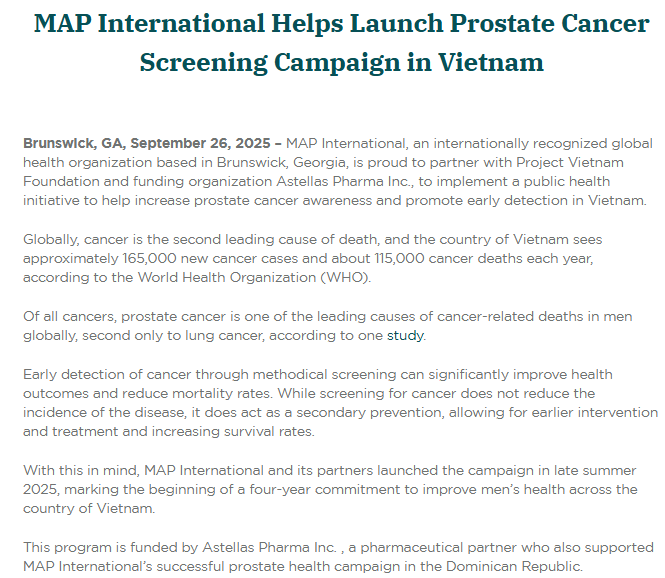
Analyzing strong nonprofit press releases reveals that success depends on strategic framing rather than format alone. Clear objectives, narrative coherence, and consistent alignment with organizational values transform announcements into lasting brand assets. The most effective releases sustain visibility beyond distribution, which reinforces credibility across media ecosystems. A nonprofit that masters this balance consistently earns recognition, media traction, and stakeholder confidence.
Which Tools Help in Writing and Sharing a Nonprofit Press Release?
Tools that help in writing and sharing a nonprofit press release include digital platforms that integrate SEO optimization, multimedia distribution, and audience targeting into a unified communication workflow. These tools combine editorial precision with data-driven reporting, ensuring that each press release achieves measurable visibility, brand authority, and public engagement. Selecting the right platform depends on the organizational scale, objectives, and audience geography, but all leading solutions emphasize credibility, automation, and structured distribution.
Tools that help in writing and sharing a nonprofit press release are reviewed below.
1. Signal Genesys: Signal Genesys functions as an SEO-driven press release platform that aligns digital distribution with entity-based optimization. The platform emphasizes structured data, authorship validation, and branded ownership, and allows nonprofits to preserve institutional credibility while amplifying digital signals across media networks. Signal Genesys integrates multimedia formats (video embeds, infographics, image carousels) that enhance engagement and reader retention across top-tier news platforms.
Real-time analytics provide actionable visibility metrics across publishers, ensuring performance insight rather than simple distribution volume. AI-powered formatting and structured publishing enable faster syndication cycles, and maintain alignment with current SEO algorithms and LLM-indexed environments. This precision-focused system transforms nonprofit communications into measurable search and visibility outcomes.
2. PR Newswire: PR Newswire operates as a global distribution network engineered for institutional reach and media trust. PR Newswire connects nonprofits with journalists, editors, and newsroom databases across over 170 countries, and reinforces authority through editorial validation and consistent formatting standards. The platform supports multimedia integration, enabling organizations to deliver visual narratives that enhance cause-based storytelling.
The inclusion within Google News and legacy financial platforms provides authoritative indexing benefits. The analytical suite measures pickup, engagement, and visibility across regions, and provides data-backed insight into audience behavior. The infrastructure remains integral for nonprofits that rely on credibility and broad dissemination across verified news ecosystems.
3. eReleases: EReleases bridges accessibility and editorial precision for smaller nonprofit teams seeking national exposure without enterprise complexity. The service integrates with the PR Newswire network but retains human editorial review for every release to ensure structural accuracy and optimized language for journalistic standards. Each distribution includes targeting by industry or cause, and allows tailored message placement that aligns with donor interests or advocacy goals.
SEO integration supports online discoverability through backlinks and media citations, which expands reach beyond traditional publication cycles. The eReleases data reporting framework quantifies impressions, pickup sources, and engagement levels to give nonprofits a transparent overview of impact. This combination of precision editing and curated reach delivers measurable communication efficiency.
4. Business Wire: Business Wire functions as a structured communication infrastructure for global nonprofits, and offers compliance-grade distribution, analytics, and financial disclosure compatibility. The editorial review process ensures every press release meets newsroom and regulatory formatting requirements, and positions it as a trusted resource for mission-critical announcements.
The network connects nonprofits to over 90,000 media outlets, including major financial, health, and regional sectors that influence public funding narratives. Built-in analytics track audience reach, engagement levels, and syndication depth in real time. The focus on credibility and accuracy strengthens nonprofit messaging within professional and institutional audiences. The platform reinforces mission visibility through a blend of scale, precision, and compliance integrity.
5. PRNEWS.IO: PRNEWS.IO transforms press release distribution into a transparent, fixed-price marketplace for media exposure. PRNEWS.IO enables nonprofits to choose specific outlets and pay per placement, and maintains full control over publication strategy and message alignment. The platform supports over 24 languages with a catalog exceeding 100,000 media outlets, which makes it highly adaptive to regional campaigns and multilingual advocacy.
SEO value increases through permanent backlinks on authority domains, reinforcing visibility and credibility in organic search. Fast turnaround times ensure relevance in cause-based communication where timing influences awareness cycles. This model allows nonprofits to scale exposure efficiently while maintaining strategic budget control and measurable publishing outcomes.
Selecting the right press release distribution tool depends on communication intent, visibility goals, and the structure of the target audience. Platforms built for SEO and authorship signals (schema entities, canonical URLs, entity validation) deliver higher long-term visibility, while networks with editorial review and institutional reach strengthen trust in regulated or philanthropic sectors. Nonprofits gain the best outcomes through hybrid strategies that balance cost-efficient placements with high-authority exposure.
How Can the Impact of a Nonprofit Press Release Be Measured?
The impact of a nonprofit press release can be measured through quantitative and qualitative metrics that assess visibility, engagement, and tangible outcomes against defined objectives. Measurement begins with aligning each press release to a clear goal such as increasing awareness, generating donations, or driving event participation. Ensure tracking combines analytical precision with contextual evaluation to determine whether the communication achieved its intended influence on audiences, media, and stakeholders.
Tracking earned coverage across print, broadcast, and digital outlets establishes the breadth and depth of exposure. A feature in a respected publication or industry journal signals credibility, while repeated mentions across diverse media indicate message penetration. High-value metrics such as earned media value quantify the advertising equivalent of exposure and provide a financial perspective on communication efficiency. Interview requests and follow-up inquiries (reporter callbacks, podcast invitations, editorial collaborations) reveal genuine media interest, which confirms that the story generated relevance beyond initial distribution.
Website analytics transform exposure into measurable audience behavior. Referral traffic from media outlets, direct clicks from embedded links, and time spent on key pages indicate the degree of engagement. Tracking conversions such as email sign-ups, event registrations, or donations reveals whether the release converts awareness into action. Ensure that each link embedded within the press release carries UTM parameters to isolate campaign-specific data. High retention rates and extended on-page durations demonstrate that audiences found the content meaningful and aligned with their informational needs.
Social media activity amplifies reach and indicates resonance across broader networks. Tracking shares, comments, and brand mentions provides insight into the emotional response generated by the story. Positive sentiment and influencer engagement extend visibility beyond owned channels, which signals trust and endorsement from external voices. Quantitative measures such as share-of-voice comparison against competing campaigns reveal whether the release achieved standout positioning within the public conversation.
Comparing actual results with predefined communication objectives verifies alignment between effort and outcome. Calculating return on investment translates intangible reputation gains into quantifiable performance indicators. Feed the data into a structured report summarizing coverage quality, engagement depth, and audience conversions. Presenting these findings to leadership and board members demonstrates accountability and refines future media strategies. Continuous benchmarking transforms each nonprofit press release into a measurable asset that advances long-term visibility, credibility, and mission impact.