Press releases and newsletters serve distinct purposes in content marketing—choosing the wrong format diminishes campaign effectiveness and leads to missed strategic goals. Digital marketers and SEO professionals must select either a press release or a newsletter based on campaign objectives: media coverage vs. direct audience engagement.
The distinction matters more than ever. According to Cision’s 2024 State of the Media Report, journalists receive an average of 100+ pitches weekly, yet only 3% result in coverage. Meanwhile, Campaign Monitor data shows email newsletters maintain an average open rate of 21.5% across industries. These numbers tell a story: success depends not just on what you communicate, but on choosing the right vehicle for your message.
This comprehensive guide breaks down the fundamental differences between press releases and newsletters, helping SEO professionals and digital marketers deploy each tool strategically. Whether you’re announcing a product launch, nurturing leads, or building brand authority, understanding these distinctions will transform your content distribution strategy.
What Is a Press Release?
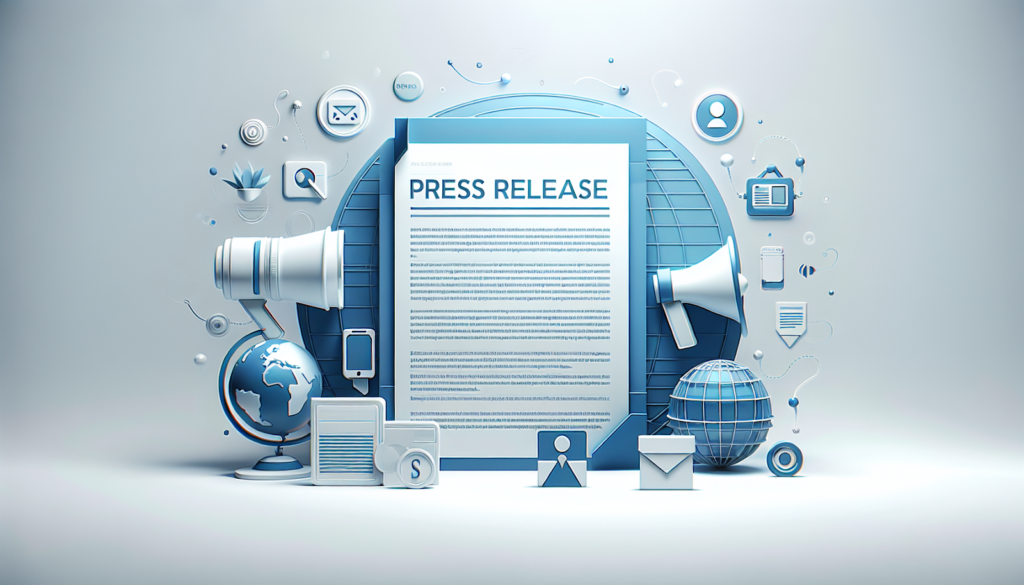
A press release is a structured news document distributed to journalists and media outlets to announce significant company events, aiming to secure media coverage and third-party validation. A press release follows a standardized format established by media outlets, typically containing 5 to 6 required sections: headline, dateline, lead, body, boilerplate, and contact information. Each section supports a newsworthy update to secure third-party validation and coverage. Press releases serve as the backbone of media outreach and digital PR strategies. They’re not marketing flyers or promotional content; they’re news documents that follow specific journalistic conventions to maximize the chances of pickup by legitimate news sources.
Key Elements of a Press Release
Every effective press release contains essential structural components that journalists expect and news algorithms recognize:
Headline: Your headline must capture attention while conveying newsworthiness in 60-80 characters. It should read like a news story title, not an advertisement. For example, “Tech Startup Secures $50M Series B to Expand AI Healthcare Solutions” works better than “Amazing Company Launches Revolutionary Product.”
Dateline: This includes the release date and originating city, establishing when and where the news originates. Example: “NEW YORK, January 15, 2025—”
Lead Paragraph: The opening paragraph answers the five W’s (who, what, when, where, why) in 25-30 words. Journalists often decide within seconds whether to continue reading, making this paragraph crucial.
Body: Supporting paragraphs provide context, quotes from company leadership, relevant statistics, and background information. Each paragraph should add value and maintain newsworthiness.
Boilerplate: A standardized company description appears at the end, providing background for journalists unfamiliar with your organization.
Contact Information: Media contact details allow journalists to follow up for interviews or additional information.
Distribution Channels for Press Releases
Press releases adopt three main distribution strategies: newswire syndication (e.g., Signal Genesys, PRNewswire), direct journalist outreach, and publishing to owned newsroom channels. Newswire services can distribute to 500+ outlets, while direct outreach targets specific journalists, and company newsrooms support SEO by archiving releases on your website. Press release distribution has evolved significantly with digital transformation. Modern distribution strategies typically include:
Newswire Services: Professional platforms like Signal Genesys distribute press releases to extensive networks of news outlets. Quality distribution services can reach 500+ outlets including major publications like AP News, Yahoo Finance, and MarketWatch, ensuring your announcement reaches journalists actively seeking stories.
Direct Media Outreach: Targeted pitching to specific journalists and publications relevant to your industry supplements broader distribution.
Company Newsroom: Hosting press releases on your website creates a searchable archive and supports SEO through fresh, authoritative content.
Social Media Amplification: Sharing press release highlights across social channels extends reach beyond traditional media.
The choice of distribution channel significantly impacts results. According to PR Newswire research, press releases distributed through established newswires receive 2.5x more engagement than those shared through email alone.
What Is a Newsletter?
A newsletter is a recurring, permission-based email sent to an organization’s subscribers, customers, or stakeholders to nurture relationships and deliver valuable updates or content. Unlike press releases that target media gatekeepers, newsletters speak directly to your audience—customers, prospects, partners, and stakeholders who want to hear from you.
Newsletters excel at relationship nurturing, community building, and maintaining consistent brand presence in subscribers’ inboxes. They’re permission-based communications that build trust over time through valuable, relevant content delivery.
Types of Newsletters
Understanding newsletter categories helps marketers align format with objectives:
Internal Newsletters: Distributed within organizations to keep employees informed about company news, policy updates, and cultural initiatives. While not externally focused, they support employer branding and internal communications.
External/Customer Newsletters: Sent to existing customers with product updates, tips, success stories, and exclusive offers. These newsletters focus on retention and customer lifetime value.
Promotional Newsletters: Feature-specific campaigns, sales, or limited-time offers. While promotional, effective versions still provide value beyond the sales pitch.
Informational/Educational Newsletters: Industry insights, how-to content, and thought leadership that positions your brand as an authority. These newsletters prioritize value delivery over direct promotion.
Curated Newsletters: Aggregate relevant industry content from multiple sources, positioning your brand as a trusted filter for valuable information.
Newsletter Structure and Design Considerations
Segmentation Impact: Segmenting newsletter lists by user behavior or demographics can increase click-through rates by up to 82% (Mailchimp, 2023), demonstrating the value of targeted content delivery. Effective newsletters follow design principles that maximize engagement:
Subject Line: With 47% of recipients deciding to open emails based solely on subject lines (OptinMonster), this element requires strategic attention. Personalization can increase open rates by 26%.
Preview Text: The snippet appearing after the subject line in most email clients provides additional context and incentive to open.
Header/Branding: Consistent visual identity reinforces brand recognition and builds familiarity.
Body Content: Scannable sections with clear headings, concise copy, and visual hierarchy respect readers’ time while delivering value.
Call-to-Action (CTA): Every newsletter should guide readers toward a desired action, whether reading a blog post, registering for a webinar, or making a purchase.
Footer: Unsubscribe options (legally required), contact information, and social links complete the newsletter structure.
Press Release vs Newsletter: Core Differences
Press releases primarily serve mass media communication, offering potential unlimited reach if picked up by multiple outlets. Newsletters specialize in direct subscriber communication, providing high audience control and relationship-building. Understanding these fundamental differences enables strategic deployment.
| Attribute | Press Release | Newsletter |
| Purpose | Announce news, gain media coverage | Nurture relationships, deliver regular updates |
| Distribution | Newswires, media outreach, newsroom | Email marketing platforms, subscriber lists |
| Audience | Journalists, media outlets | Opted-in subscribers, customers |
| Format | Formal, journalistic, third-person | Conversational, flexible, first/second-person |
| Frequency | Event-driven, ad hoc | Scheduled (weekly, monthly, etc.) |
| SEO Impact | Backlinks, brand mentions, Google News | Direct traffic, engagement, list growth |
| Compliance | Follows media standards, embargoes | Requires opt-in, GDPR/CAN-SPAM compliance |
Benchmark Example: According to Cision (2024), the average press release pickup rate is 3-5% for major stories, while Campaign Monitor reports average newsletter open rates of 21.5% and click-through rates of 2.3%. These benchmarks help set realistic expectations for each channel’s performance.
Purpose and Objectives
Press Release Objectives: – Generate media coverage and earned media mentions – Announce newsworthy developments (funding, partnerships, product launches) – Manage crisis communications and official statements – Build brand authority through third-party validation – Support SEO through backlinks from news publications
Newsletter Objectives: – Nurture existing relationships with subscribers – Drive traffic to owned content and properties – Promote products, services, or events to warm audiences – Build community and brand loyalty over time – Support retention and customer lifetime value
The distinction is clear: press releases pursue external validation through media coverage, while newsletters cultivate direct relationships with opted-in audiences.
Audience and Reach
Competitive Use Case: For B2B SaaS companies, newsletters often outperform press releases in driving product demo signups (average conversion rate: 6-8% via email vs. <1% via PR referral), while press releases are more effective for rapid brand awareness spikes after funding announcements.
SEO Impact Bridge: Because press releases rely on media gatekeepers, successful distribution can result in high-authority backlinks and brand mentions, supporting SEO. Newsletters, while limited to your list size, offer high deliverability and engagement, which can drive qualified traffic and conversions from owned audiences. Press releases target intermediaries—journalists, editors, bloggers, and media professionals who decide whether your news deserves coverage. Success depends on convincing these gatekeepers that your announcement serves their audience’s interests.
Newsletters reach end audiences directly. Your subscribers have already expressed interest by opting in, eliminating the gatekeeper dynamic. This direct connection enables more personalized, relationship-focused communication.
| Aspect | Press Release | Newsletter |
| Primary Audience | Journalists, media outlets | Subscribers, customers, leads |
| Relationship | Cold/professional | Warm/established |
| Permission | Not required | Opt-in required |
| Reach Potential | Unlimited (if picked up) | Limited to list size |
| Audience Control | Low | High |
Content Format and Tone
Press releases demand formal, objective, third-person writing that mirrors journalistic standards. Subjective claims, excessive adjectives, and promotional language signal amateur efforts that journalists quickly dismiss.
Newsletters allow flexibility in voice and tone. First-person perspective, conversational language, and brand personality strengthen subscriber relationships. While professionalism matters, newsletters can express warmth and personality that press releases cannot.
Press Release Example: “Signal Genesys today announced the expansion of its AI-powered press release distribution network to include 200 additional regional news outlets, bringing total coverage to over 500 media properties.”
Newsletter Example: “Big news from our team! We’ve added 200 new regional outlets to our distribution network. This means your press releases now reach even more targeted audiences across local markets. Here’s what this means for your next announcement…”
Distribution and Delivery
Press release distribution relies on newswire services, media databases, and journalist relationships. Platforms like Signal Genesys leverage established connections with news outlets to ensure releases reach appropriate editorial teams. Distribution is typically one-time per announcement, though follow-up pitching may continue.
Newsletter distribution uses email marketing platforms (Mailchimp, HubSpot, Klaviyo) to deliver content directly to subscriber inboxes. Delivery is recurring, following established schedules that subscribers expect—weekly, bi-weekly, or monthly cadences.
Frequency and Timing
Press releases are event-driven. You distribute them when newsworthy developments occur, not according to a calendar schedule. Sending press releases without genuine news damages credibility with journalists.
Newsletters follow consistent schedules. Subscribers expect regular delivery, and consistency builds trust and anticipation. HubSpot research indicates that companies sending 16+ newsletters monthly generate 4.5x more leads than those sending four or fewer.
When to Use Each: Strategic Recommendations

Cost Comparison: Press releases typically incur distribution fees (ranging from $99 to $1,000+ per release, depending on reach and platform), while newsletters primarily involve ongoing email platform subscription costs (often $20–$300/month), plus internal content creation time. Press releases can deliver rapid brand exposure, but newsletters offer sustained engagement at lower incremental cost per send.
For example, startups launching a new product may benefit from a press release to generate media buzz and backlinks, while established brands might use newsletters to promote ongoing offers or nurture leads. Industry context also matters: B2B tech companies often see higher open rates (28%) for newsletters, while consumer brands may achieve broader reach with press releases distributed via major newswires. Choosing between a press release and newsletter depends on your communication objectives, audience, and desired outcomes.
Choose a Press Release When:
- Announcing major company news (e.g., funding rounds, acquisitions, new partnerships, C-suite appointments).
- Launching products or services (for official market introduction to media and industry).
- Managing crisis communications (issuing official statements for public record and reputation management).
- Building industry authority (securing third-party validation via earned media coverage).
- Seeking SEO benefits (generating backlinks and brand mentions from authoritative news sites). Announcing Major Company News: Funding rounds, acquisitions, executive appointments, and significant partnerships warrant press release distribution. These developments have inherent newsworthiness that journalists recognize.
Launching Products or Services: New offerings with genuine market impact deserve formal announcement. Press releases establish official launch dates and provide journalists with accurate information for coverage.
Managing Crisis Communications: During reputation-sensitive situations, press releases provide official statements that establish your position on record. Crisis communication through newsletters reaches only existing subscribers, missing broader stakeholders.
Seeking SEO Benefits: Press releases distributed through quality platforms like Signal Genesys can generate backlinks from authoritative news sites, supporting domain authority and search visibility.
Building Industry Authority: Regular newsworthy announcements position your brand as an active, relevant industry player. Media coverage provides third-party validation that owned content cannot replicate.
Choose a Newsletter When:
Nurturing Leads Through the Funnel: Subscribers at various buying stages benefit from consistent, valuable content that addresses their needs and moves them toward conversion.
Sharing Educational Content: How-to guides, industry insights, and thought leadership content fit naturally in newsletter formats, building expertise perception over time.
Promoting Ongoing Offers: Sales, webinars, events, and promotions reach receptive audiences through newsletters. Subscribers have indicated interest in hearing from you.
Building Community: Regular touchpoints create familiarity and trust. Newsletters maintain relationships between major announcements, keeping your brand top-of-mind.
Gathering Feedback: Newsletters enable two-way communication through surveys, polls, and reply invitations that press releases cannot facilitate.
Use Both Together When:
Executing Integrated Campaigns: Major launches benefit from press release distribution for media coverage alongside newsletter communication to existing audiences. Each channel reaches different stakeholders with appropriate messaging.
Maximizing Announcement Impact: Send press releases to earn media coverage, then share that coverage in newsletters to demonstrate credibility and extend reach.
Supporting Content Marketing: Press releases can announce significant content pieces (research reports, major guides) while newsletters promote ongoing content to subscribers.
SEO and Digital Marketing Impact
As discussed in the ‘Core Differences’ section, press releases impact SEO primarily through earned media coverage, backlinks, and brand mentions, while newsletters drive direct traffic, engagement, and conversion metrics. Using both channels in tandem maximizes digital marketing outcomes by leveraging their complementary strengths. Both press releases and newsletters contribute to digital marketing success, though through different mechanisms.
Press Releases and SEO
Over 85% of press release links are issued with rel=’nofollow’; however, third-party brand mentions and referral visits contribute to search engine trust signals and increase site visibility. Modern press release distribution supports SEO through several channels:
Backlink Acquisition: Distribution through reputable platforms can generate links from high-authority news sites. While most links carry nofollow attributes, the referral traffic and brand signals still provide value.
Brand Mention Signals: Search engines recognize brand mentions across authoritative publications as trust signals, even without direct links.
Indexed Content: Press releases distributed through newswires often appear in Google News and standard search results, increasing brand visibility for relevant queries.
Local SEO Benefits: Regional press release distribution can support local search visibility through citations in local news publications.
Signal Genesys’s AI-powered distribution ensures press releases reach appropriate outlets, maximizing the potential for pickup and associated SEO benefits.
Newsletters and Digital Marketing
Newsletters support broader marketing objectives through:
Traffic Generation: Strategic linking drives subscribers to blog posts, landing pages, and product pages, supporting content performance metrics.
Conversion Support: Nurture sequences move leads through buying journeys, with newsletters serving as consistent touchpoints that build trust and address objections.
Audience Insights: Email engagement data reveals content preferences, enabling optimization across marketing channels.
Retargeting Opportunities: Email engagement can trigger retargeting campaigns, creating integrated cross-channel experiences.
Best Practices for Press Releases
Risk Factors: Misusing press releases for non-newsworthy content can damage media relationships and reduce future pickup rates. Overuse or poor targeting may also result in negative SEO signals if perceived as spam by search engines.
Leverage Embargoes for Maximum Pickup: For sensitive or high-impact stories, using an embargo (entity) allows journalists early access under a set publication time, increasing the likelihood of coordinated, widespread coverage. Maximize press release effectiveness with these authoritative recommendations:
Lead with Newsworthiness: Ask whether your announcement would interest someone with no connection to your company. If not, reconsider the press release approach.
Write for Journalists: Use inverted pyramid structure, placing the most important information first. Journalists scan quickly; respect their time.
Include Compelling Quotes: Quotes from executives or customers add human interest and provide ready-made soundbites for coverage.
Optimize for Search: Include relevant keywords naturally in headlines and body copy. Press releases can rank for branded and industry terms.
Choose Distribution Strategically: Quality platforms with established media relationships outperform mass-blast services. Signal Genesys’s network of 500+ outlets ensures releases reach legitimate news properties.
Follow Up Thoughtfully: Targeted follow-up with relevant journalists can increase pickup rates, but avoid mass follow-up that damages relationships.
Best Practices for Newsletters
Compliance Reminder: Always obtain explicit opt-in from subscribers and comply with regulations such as GDPR and CAN-SPAM. Include clear unsubscribe options in every email to maintain deliverability and legal compliance. Drive newsletter performance with these proven strategies:
Segment Your Audience: Personalized content based on subscriber interests, behaviors, and demographics dramatically outperforms generic broadcasts. Segmented campaigns drive 760% more revenue according to Campaign Monitor.
Prioritize Value Over Promotion: The 80/20 rule suggests 80% valuable content and 20% promotional material. Subscribers tolerate promotion when consistently receiving value.
Test Continuously: Subject lines, send times, content formats, and CTAs all benefit from A/B testing. Data-driven optimization compounds over time.
Maintain List Hygiene: Regular list cleaning removes inactive subscribers, improving deliverability and engagement metrics.
Design for Mobile: With 46% of email opens occurring on mobile devices, responsive design is non-negotiable.
Respect Preferences: Honor unsubscribe requests immediately and provide preference options that let subscribers control frequency and content types.
Advanced Metrics: Measuring Success
Workflow Integration Example: For a major product launch, a typical workflow might include: (1) drafting and distributing a press release via newswire, (2) sharing the news on social media, (3) sending a newsletter to subscribers with a personalized message and link to the press coverage, and (4) tracking KPIs for both channels to optimize future campaigns.
SEO Value Decay: The SEO impact of a press release peaks within the first 7-14 days post-distribution, as most media pickups and backlinks occur during this window. Newsletters, in contrast, drive sustained engagement and conversions over a longer period, especially when part of a nurture sequence.
For deliverability, newsletters typically achieve inbox placement rates above 85% when list hygiene is maintained, while press releases depend on newswire distribution and editorial pickup rates, which average 3-5% for major stories in 2024. Understanding these metrics helps marketers set realistic expectations and optimize channel performance. Different objectives require different success metrics.
Press Release KPIs
- Media Pickups: Number of publications running your story
- Reach/Impressions: Potential audience exposed to coverage
- Share of Voice: Coverage volume relative to competitors
- Backlinks Generated: Links from coverage to your properties
- Referral Traffic: Website visits from press release distribution
- Message Pull-Through: Whether key messages appear in coverage
Newsletter KPIs
- Open Rate: Percentage of recipients opening emails
- Click-Through Rate (CTR): Percentage clicking links within emails
- Conversion Rate: Percentage completing desired actions
- List Growth Rate: Net subscriber acquisition over time
- Revenue Per Email: Direct revenue attributed to newsletter sends
- Unsubscribe Rate: Percentage opting out per send
AI Trends Transforming Both Channels
Generative AI is reshaping both press release and newsletter creation and distribution.
AI-Powered Press Release Writing: Platforms like Signal Genesys incorporate AI writing assistance that helps marketers craft compelling, properly structured press releases. AI ensures consistent formatting while allowing human oversight for accuracy and brand voice.
Intelligent Distribution: AI algorithms analyze journalist interests and publication patterns to optimize distribution targeting, increasing pickup probability.
Newsletter Personalization at Scale: AI enables dynamic content personalization based on subscriber behavior, delivering individualized experiences without manual segmentation.
Predictive Send Time Optimization: Machine learning identifies optimal delivery times for individual subscribers, maximizing open rates.
Content Generation Assistance: AI tools help marketers overcome blank-page syndrome, generating draft content that humans refine and approve.
Workflow Integration: Building an Omnichannel Strategy
The most effective communicators integrate press releases and newsletters into cohesive strategies rather than treating them as isolated tactics.
Announcement Sequence Example:
- Distribute press release through Signal Genesys to 500+ news outlets
- Share announcement on social media channels
- Send newsletter to subscribers highlighting the news and linking to coverage
- Repurpose press release content for blog posts and social content
- Include media coverage highlights in subsequent newsletters
This integrated approach maximizes reach across earned, owned, and shared media while maintaining consistent messaging.
Conclusion: Strategic Communication Requires the Right Tools
Press releases and newsletters serve fundamentally different purposes in your communication arsenal. Press releases pursue earned media coverage through formal, newsworthy announcements distributed to journalists and media outlets. Newsletters nurture direct relationships with opted-in subscribers through regular, valuable content delivery.
Understanding these distinctions enables strategic deployment that maximizes results from both channels. The most successful digital marketers and SEO professionals leverage both tools appropriately, integrating them into comprehensive communication strategies that reach stakeholders through multiple touchpoints.
Key Takeaways:
- Use press releases for newsworthy announcements targeting media coverage
- Use newsletters for relationship nurturing with existing subscribers
- Integrate both channels for maximum campaign impact
- Measure success with channel-appropriate KPIs
- Leverage AI tools to improve efficiency and effectiveness
Ready to amplify your press release distribution? Signal Genesys combines AI-powered writing assistance with distribution to 500+ news outlets including AP News, Yahoo Finance, and MarketWatch. Transform your announcements into earned media coverage that builds brand authority and supports your SEO objectives.
🚀 Distribute Your Press Release to 500+ News Outlets
Get your news on AP News, Yahoo Finance, MarketWatch, and hundreds more. Signal Genesys provides AI-powered writing assistance, professional distribution, and detailed analytics.
Professional press release distribution starting at just $99.